
Introduction
Most “best B2B social media agency” lists are written by agencies. Which is why the agency that published the list is so often sitting at number one on it.
We are not an agency. DemandBird makes social media management software, so we have no services to sell you and no reason to rank anyone first. Nobody on this list paid to be here, and there are no affiliate links.
What follows is six agencies, each genuinely good at a different job. That distinction matters more than any ranking, because “B2B social media agency” describes at least five different businesses: organic content shops, paid social specialists, LinkedIn practices, influencer and creator programs, and search-led demand gen teams that treat social as one channel among several.
Hiring the wrong type is the most common and most expensive mistake. So start with the matcher below, or read the comparison table and jump to whoever fits.
Find Your Best-Fit Agency
Describe what you actually need and this matcher will surface the agencies that genuinely fit. Sometimes that is three, sometimes it is one: we would rather show you a single right answer than pad the list. If the matches look right, add your email and we will make the introductions.
Your best-fit options
We’ll reach out soon.
Quick Comparison: Best B2B Social Media Agencies
| Agency | Best For | Focus |
|---|---|---|
 Verbatim Verbatim | Brands that want influencer and speaker programs tied to revenue | Influencer + creator marketing |
 Obility Obility | B2B tech that wants search, social, Reddit, and AI visibility together | Search-led demand gen |
 Sergeant Digital Sergeant Digital | Executives and sales teams who need LinkedIn to actually convert | LinkedIn organic + social selling |
 Omni Lab Omni Lab | B2B SaaS with real ad budget that needs creative worth running | Paid social |
 Sculpt Sculpt | B2B teams that want organic, paid, and influencer run together | Full-stack B2B social |
 Fresh Content Society Fresh Content Society | Industrial and manufacturing brands that need serious organic reach | Organic video + community |
Methodology: How this list was built
Short version: we picked six agencies we would actually recommend, and we tell you what each one is not good at.
The specifics:
- No paid placements. Nobody paid to appear here. There are no affiliate links and no referral fees.
- We do not compete with anyone on this list. DemandBird sells software, not services. We have no incentive to rank one agency above another, which is exactly the incentive most lists in this category cannot escape.
- Selection criteria. Demonstrable B2B work rather than repurposed consumer case studies, public client evidence, active in the last twelve months, and social as a core service rather than a bolt-on.
- Ordered by use case, not ranked. There is no number one, because the right pick depends entirely on which job you are hiring for. An agency that would be a great choice for one reader would be a poor choice for the next.
- Every profile includes a limitation. If we could not name something an agency is genuinely not suited for, we did not understand them well enough to recommend them.
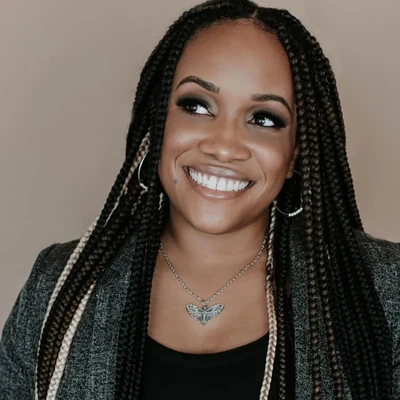
1) Verbatim (Brianna Doe)
“Viral is easy. Revenue is the job.”
Brianna Doe, Founder and CEO, VerbatimBest for: Companies that want influencer and creator programs, or speaker and event strategies, held to a revenue number.
Verbatim occupies a slot none of the others do. This is influencer and creator marketing plus speaker scouting and booking, running across LinkedIn, YouTube, Instagram, TikTok, and live events. If your brief is “manage our company page,” this is the wrong agency; if it is “get credible voices in our category talking about us,” it is the right one.
Brianna’s five-word philosophy is the most useful sentence in this entire category. Influencer marketing attracts more vanity-metric theater than any other social discipline, and “viral is easy, revenue is the job” is the correct posture. It shows up in how they report: pipeline, revenue, and repeat customers rather than impressions.
The numbers back it. Aion saw organic traffic up 170% with 45% of new leads attributed to influencers, which is a genuinely striking share. Skillshare generated over 4 million LinkedIn impressions. Footprint drove more than 500 million in sales alongside 10 million impressions in two months. Across the agency: 4,000+ activations and events, 100+ brands, and more than $200 million in attributed revenue.
B2B influencer marketing is also structurally underrated. The people your buyers actually trust are practitioners and analysts in your category, not celebrities, and that market is far less saturated and far cheaper than consumer influencer work.
Not the right fit if: you need core social media management. Also worth knowing that Verbatim works with D2C brands as well as B2B, so they are not exclusively B2B the way Sculpt and Omni Lab are. That breadth is an advantage if you sell to both, and a consideration if you want a pure B2B specialist.
Why they stand out
- The only influencer and creator specialist on this list
- Speaker scouting and event programs alongside social
- Reports in pipeline and revenue, unusual in influencer marketing
- Strong attributed-revenue proof, including 45% of one client’s new leads
2) Obility (Mike Nierengarten)
“Reddit is a blue ocean for B2B: low CPCs, engaged audience, and an outsized impact on LLM discovery. Leading brands like Claude, Splunk, and IBM are taking advantage of the lack of competition.”
Mike Nierengarten, Founder, ObilityBest for: B2B tech companies that want paid social sitting alongside search, Reddit, and AI search visibility, measured against pipeline.
Obility is the broadest option here, and the only one treating AI search visibility as a first-class service rather than an SEO add-on. Their mix runs SEO, paid search, paid social, generative engine optimization, Reddit management, content, and revenue attribution.
Two parts of that are genuinely distinctive. Reddit as a named, standalone service is rare, and Mike’s read on why is the sharpest argument on this page: low CPCs, a genuinely engaged audience, and outsized influence on what large language models surface when buyers ask them for recommendations. As more B2B research starts in an AI assistant rather than a search box, where those models learned about your category starts to matter commercially. Pairing Reddit with GEO is a coherent bet on that shift rather than a bolt-on.
The second is attribution. Obility integrates deeply with CRM and marketing automation, tying activity to pipeline and closed revenue rather than stopping at lead counts. That is the difference between a report you forward to your CFO and one you quietly delete.
They serve hyper-growth B2B tech across SaaS, DevOps, cybersecurity, healthtech, martech and salestech, HR and business operations, construction, and hardware. Clients include Snowflake, Fastly, Hitachi Vantara, and Autodesk, making this the most enterprise-weighted roster on the list.
Not the right fit if: you want an organic social content shop. Obility’s social work is paid social and Reddit, and the overall mix leans toward search. If you need someone producing your day-to-day organic content and running your communities, look at Sculpt or Fresh Content Society instead.
Why they stand out
- Reddit management as a real service, not an experiment
- Generative engine optimization treated as its own discipline as AI search reshapes B2B research
- Multi-touch revenue attribution wired into your CRM
- Enterprise-capable, with a client roster to match
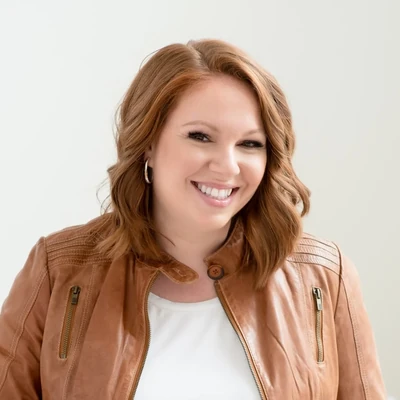
3) Sergeant Digital (Jaclyn Sergeant)
“LinkedIn is no longer just a social platform. It’s become a credibility layer that impacts whether everything else you do in B2B marketing actually converts.”
Jaclyn Sergeant, Founder, Sergeant DigitalBest for: B2B executives and sales teams who need LinkedIn specifically, and teams who would rather learn to run it themselves than outsource it forever.
Sergeant Digital is the LinkedIn specialist here, and deliberately organic rather than paid. Jaclyn came out of SaaS marketing and Salesforce consulting, and she is the practitioner on the work, so you get senior strategic attention directly rather than being handed to an account coordinator after the pitch.
What makes the practice unusual is that it treats LinkedIn as a sales problem as much as a marketing one. As Jaclyn puts it, your sales team needs a real approach to social selling, not just Sales Navigator licenses. Prospects are vetting your company on LinkedIn well before they ever talk to sales, and most companies treat that as a checkbox.
There are three ways to work together, and the middle one is genuinely rare in this category:
- LinkedIn Content Accelerator for executives or sales reps building thought leadership and inbound
- Corporate Strategy Roadmap, custom playbooks and training so your in-house team executes it themselves
- Monthly Management, fully done for you
That second option matters. Most agencies are structurally incentivized to keep you dependent on them. An engagement whose explicit goal is to make your own team self-sufficient is a different, and for many companies a better, deal. Sergeant Digital is also a certified Woman Owned Business Enterprise, which is worth knowing if you have supplier diversity requirements.
Not the right fit if: you need multi-channel coverage. This is a LinkedIn practice. If your program spans Instagram, TikTok, and YouTube, you want a broader shop.
Why they stand out
- Deep LinkedIn specialization rather than LinkedIn as one channel of many
- Treats social selling and sales enablement as part of the job, not an afterthought
- Offers a training and playbook path so you can bring it in-house
- You work directly with the senior practitioner
- Certified Woman Owned Business Enterprise
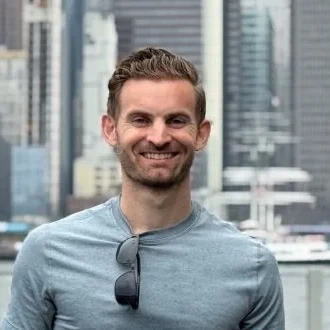
4) Omni Lab (Jonathan Bland)
“Write in the language your buyer understands, consider how they consume information, and when and how they want to buy.”
Jonathan Bland, Co-founder, Omni LabBest for: B2B SaaS companies past Series A with real ad budget who need paid social that performs.
Omni Lab, co-founded by Jonathan Bland and Jason Steele, is the paid social specialist on this list. Paid is not one service among several for them, it is the whole business, and they work exclusively with B2B SaaS.
The differentiator is creative. Plenty of agencies can operate an ad account; far fewer can make B2B ads that people actually stop for. Running search-style ads on a social feed is the default failure mode in B2B paid, and good creative is what separates spend that compounds from spend that evaporates. Their campaigns run across LinkedIn, Meta, YouTube, Reddit, Google, and Bing, with paid search as a complementary track rather than the main event.
Their measurement philosophy is worth stealing even if you never hire them: optimize leading and lagging indicators, feed conversion quality signals back into the ad platforms, and report on pipeline and revenue rather than lead volume. Karen Sage, CMO at Shipwell, reports opportunities up 50% and demos up 86% within the first few months. Other clients include Zenhub, Vellum, Voltaiq, Submittable, and Kintsugi.
They also publish an unusually explicit qualification bar, which is a good sign rather than a bad one: Series A or later, at least $10,000 per month in paid budget, product-market fit with inbound demand signals, and at least one in-house marketer to work with.
Not the right fit if: you are pre-Series A, spending under $10,000 a month on paid, or have nobody in-house to partner with. They will tell you this themselves, which is more than most agencies do.
Why they stand out
- Paid social specialists rather than a generalist agency with a paid department
- Ad creative strong enough to work in a social feed, which is the actual bottleneck in B2B paid
- 100% B2B SaaS, so no consumer playbook translation
- Public qualification criteria, so you know immediately whether you fit
5) Sculpt (Josh Krakauer)
“Helping B2B brands embrace ‘Hustle & Heart’ in everything they do online.”
Josh Krakauer, Founder and CEO, SculptBest for: B2B companies that want organic social, paid social, and influencer work coordinated by one team instead of three vendors.
Sculpt has been doing only B2B social since 2012, which makes it the most complete B2B-social-native option on this list and the sensible default if you are not sure what you need yet. The offering spans organic strategy and content, community management, paid social (they are LinkedIn Ads certified), influencer campaigns, and content production that includes conference coverage, executive thought leadership, and customer interviews.
The piece that separates them from the paid-first shops is employee and executive advocacy: playbooks, workshops, and enablement that get your own people posting credibly. In B2B, where buyers trust individuals more than brand accounts, that is often the highest-leverage channel available and most agencies do not offer it at all.
Their positioning is refreshingly honest about the category. “Built for B2B” is their way of saying B2B buyers are not impulse-driven, and the content strategy reflects that: credibility compounding over time rather than campaigns chasing spikes.
Client work includes KnowBe4, Monotype, Remote, Loom, Blend, and Netscout, concentrated in SaaS, enterprise tech, cybersecurity, manufacturing, and professional services.
Not the right fit if: you want a pure paid media specialist. Sculpt does paid well as part of an integrated program, but if your entire brief is “scale our LinkedIn ad spend,” a dedicated paid shop will go deeper.
Why they stand out
- Only B2B social, since 2012, so no consumer-to-B2B translation problem
- Organic, paid, and influencer under one roof rather than split across vendors
- Employee and executive advocacy programs that almost nobody else offers
- In-house content production including video and event capture
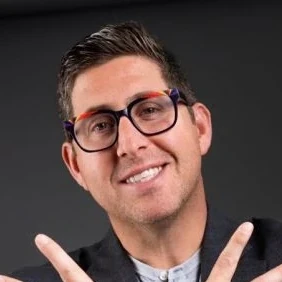
6) Fresh Content Society (Scott Emalfarb)
“I believe social media should be more than vanity metrics. It’s a powerful engine for growth.”
Scott Emalfarb, Founder and CEO, Fresh Content SocietyBest for: Industrial, manufacturing, and construction brands that need genuine organic reach and community, not just posting.
Let us start with the caveat, because it determines whether you should call them. Fresh Content Society is not a B2B-only agency. Their headline clients include KFC, Hilton, Samsung, National Geographic, and American Apparel, which is a consumer roster. If you want a shop that has only ever sold to buying committees, Sculpt or Omni Lab are the cleaner picks.
What FCS is genuinely excellent at, and what earns them a place here, is organic reach for industrial and manufacturing brands: the companies their positioning describes as building and keeping America running. LINE-X passed 95 million organic video views. PEAK passed 85 million. Graco sustains engagement above 12%. Those are not B2B-typical numbers, and the industrial category is exactly where most B2B social agencies produce dull, forgettable work.
Founded in 2014 by Scott Emalfarb, who came from Edelman and has run social for Slim Jim, Hilton, and Microsoft, the agency is organic-first and senior-led with no entry-level coordinators on accounts. Content is built platform-native rather than one post copy-pasted across five channels. Agency totals sit above 2 billion organic impressions and $50 million in earned media value.
They also publish honest timelines, which is rarer than it should be: two to four weeks for paid signals, 60 to 90 days for organic traction, and six to twelve months for compounding growth. Any agency promising organic results faster than that is selling you something.
Two engagement models: a full social system, or a senior plug-in that supplements an existing team.
Not the right fit if: you are a SaaS company looking for demand gen. Their strength is reach and community for physical-product and industrial brands, not pipeline attribution for software.
Why they stand out
- Organic video reach at a scale most B2B agencies never approach
- Real depth in industrial, manufacturing, automotive, and construction
- Senior-led accounts with no junior coordinators
- Publishes realistic timelines instead of promising overnight organic growth
How to choose between them
Work through these in order and the shortlist usually narrows to one or two.
1. Name the job, not the category. “We need a B2B social media agency” is not a brief. “We need our founder posting credibly on LinkedIn and our sales team using it” is, and it points straight at a different agency than “we need to spend $30,000 a month on LinkedIn ads efficiently.”
2. Match the sales motion, not the logo. An agency with impressive brands whose sales cycles look nothing like yours is a worse fit than a smaller shop that understands buying committees and six-month cycles. Ask for case studies from a similar motion.
3. Ask who does the work. Some agencies sell senior strategists and staff with juniors. Ask directly who is on your account day to day. The agencies here that lead with seniority make that claim explicitly, which makes it easy to hold them to.
4. Ask how they connect social to pipeline. Anyone reporting only impressions and engagement rate is measuring the wrong thing. The good answers involve attribution models, CRM integration, and honesty about what social influences rather than directly closes.
5. Ask what they will not do. Every agency on this list has a clear limitation, and the good ones name it before you do. A specialist who tells you something is outside their lane is more trustworthy than a generalist who agrees to everything.
Red flags: case studies that are all consumer brands when you sell to enterprises; reporting built on follower growth; no named senior contact; promises of organic traction in under 60 days; and reluctance to say what they are not good at.
When you do not need an agency at all
The honest answer for a meaningful share of readers: you might not need one.
If you already have a marketer who understands your buyers, and the real constraints are time, tooling, and a repeatable process, then hiring an agency to do that same job is an expensive way to solve a workflow problem. Two cheaper options usually work better. Buy a training and playbook engagement so your existing person gets sharper, which is exactly what Sergeant Digital’s Corporate Strategy Roadmap is built for. Or fix the tooling so one person can credibly run several channels.
Agencies genuinely earn their fee when you need capability you do not have and cannot quickly build: paid media buying, video production, influencer relationships, or category expertise in something like industrial manufacturing.
What agencies cannot fix is a broken content process. If ideas die in Slack threads, approvals take nine days, and nobody knows what published last week, that problem follows you to the agency and you pay retainer rates for it.
Fix the workflow before you hire the retainer
DemandBird gives one marketer the leverage of a team: capture ideas, draft in your voice, adapt each post per platform, run approvals, and schedule everywhere from one place.
Frequently asked questions
How much does a B2B social media agency cost?
Most B2B social media agencies work on monthly retainers rather than project fees, and the range is wide. Boutique and founder-led practices typically start in the low thousands per month. Full-service organic and paid programs at mid-market agencies commonly run $5,000 to $15,000 per month. Paid media specialists often set a minimum ad budget instead of, or alongside, their fee: Omni Lab, for example, requires at least $10,000 per month in paid spend before they take an engagement. Very few agencies publish rates, so expect to get pricing on a call.
What does a B2B social media agency actually do?
It varies more than the category name suggests. Some agencies run organic social end to end: strategy, content production, publishing, and community management. Others focus on paid social, meaning ad creative, media buying, and conversion tracking. Others specialize further, in LinkedIn only, in influencer and creator programs, or in employee and executive advocacy. Before you shortlist anyone, decide which of those jobs you are actually hiring for, because almost no agency is genuinely excellent at all of them.
How is a B2B social media agency different from a B2C one?
B2B buyers are not impulse-driven. Purchases involve multiple stakeholders, long sales cycles, and technical subject matter, so the content has to build credibility with a buying committee rather than drive an immediate transaction. That changes the measurement model too: a good B2B social agency reports on pipeline influence and revenue rather than follower counts and viral reach. Agencies whose case studies are all consumer brands often struggle to translate that to a six-month enterprise sales cycle.
How do I evaluate a B2B social media agency?
Ask for case studies from companies with a similar sales motion, not just similar logos. Ask who actually does the work day to day, since some agencies sell senior strategists and staff with junior coordinators. Ask how they connect social activity to pipeline, and be skeptical of anyone who only reports impressions and engagement rate. Finally, ask what they would not do for you: a specialist who tells you plainly that something is outside their lane is usually more trustworthy than a generalist who says yes to everything.
Do I need an agency if I already have a social media manager?
Often not. If you have an in-house marketer who understands your buyers and is simply short on time, tooling, or a repeatable process, hiring an agency to do the same job is expensive. A better fit is either a training and playbook engagement that makes your existing person more effective, or better software so one person can run more channels. Agencies earn their keep when you need capability you genuinely do not have, such as paid media buying, video production, or influencer relationships.
Should I hire a specialist or a full-service agency?
Hire a specialist when you know exactly which job needs doing, for example LinkedIn thought leadership or paid social. Specialists tend to be deeper and faster on their one thing. Hire a full-service agency when you need organic, paid, and influencer work coordinated together and you do not want to manage three vendors. The failure mode to avoid is hiring a generalist for a specialist problem and getting shallow execution across the board.
Final thought
The most useful thing on this page is not the list, it is the limitations. Six agencies, six things each one is honestly not built for.
Any of these teams can do good work. Whether they do good work for you depends almost entirely on whether the job you are hiring for is the job they are built to do. An agency that is wrong for your brief will still bill you every month, and both sides will spend two quarters wondering why it feels like pushing water uphill.
So be specific about the job first. Then pick the specialist. And if the honest answer turns out to be that you need better process rather than more agency, that is a cheaper problem to solve and a better one to have.